Home Essentials · November 2, 2026
How to Build a Simple Power-Outage Kit for Your Home
A few practical supplies can make a power outage easier to manage. Start with what you have, fill the gaps, and build your kit a little at a time.
A power outage can interrupt lighting, phone charging, cooking, and access to local updates. A small, well-placed kit helps you handle those basics while you follow local guidance.
Start by gathering what you already own into one bin or bag. Then fill the gaps over a few weeks — there's no need to buy everything at once.
Reliable light
Light is the first thing you'll reach for. Keep at least one battery-powered lantern — such as the MalloMe LED camping lantern — for shared spaces and a flashlight for each person. Store spare batteries alongside them, and know where the kit lives so you can find it by feel.
Local alerts
When the power is out, internet and TV may be too. A weather-alert radio like the Midland WR120B NOAA weather-alert radio lets you hear local updates and NOAA weather warnings. Set it up ahead of time so it's ready to go.
Phone charging
Your phone is how you check in with family and neighbors. Keep a portable charger, such as the INIU 10,000mAh portable charger, topped up, along with the right cable. Charge it again every few months and after each use.
Water, food, and household needs
Keep some bottled water on hand — a common starting point is about one gallon per person per day for a few days. Add shelf-stable foods your family already likes, a manual can opener, any medications you rely on, a basic first-aid kit, and supplies for pets.
A simple family plan
Agree on who checks on whom, where you'd meet if you got separated, and which neighbor you'd call. Write it on a card and keep a copy in the kit.
A short safety reminder
Use battery-powered lights rather than candles. Keep refrigerator and freezer doors closed as much as possible to hold the cold in. If you use a generator, run it outdoors only, at least 20 feet from windows, doors, and vents. Never use a gas stove, oven, or grill to heat your home.
Some options to consider
If you're filling gaps, here are a few beginner-friendly options. These are suggestions based on features and common use, not products we've personally tested — pick what fits your household.
Some links below are affiliate links. Neighborly Prep may earn a commission from qualifying purchases at no extra cost to you.

MalloMe LED camping lantern
Good for: Anyone who wants safe, battery-powered light during an outage
A simple lantern that lights a room without the fire risk of candles.
View on Amazon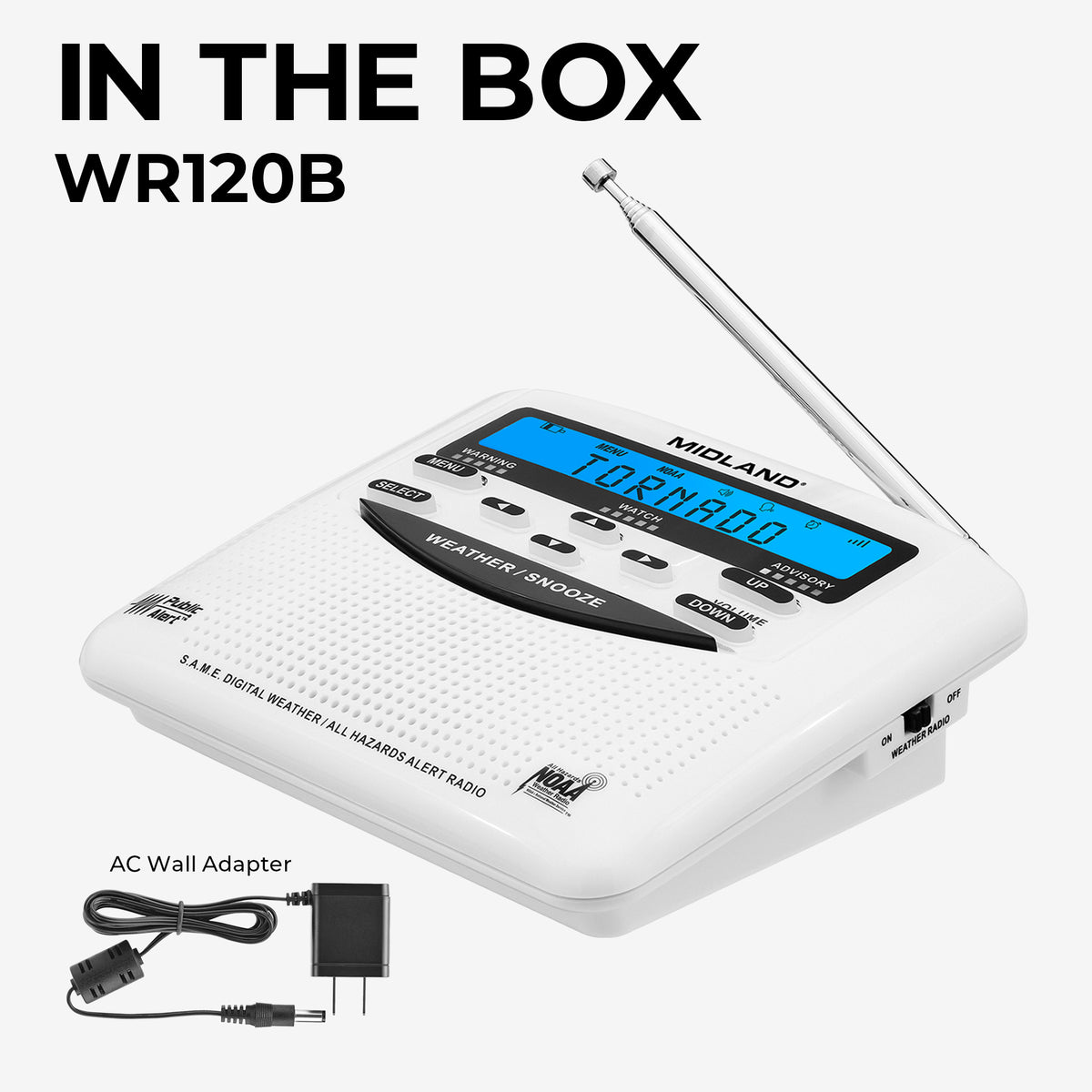
Midland WR120B NOAA weather-alert radio
Good for: Families who want local weather alerts without internet
A dedicated receiver for NOAA weather alerts; check the manual for backup-power setup before relying on it.
View on Amazon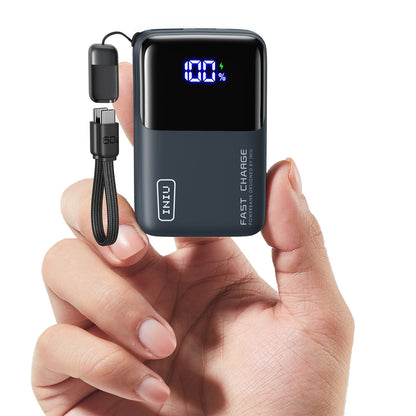
INIU 10,000mAh portable charger
Good for: Keeping a phone charged so you can stay in touch
A compact battery pack that can recharge a phone when outlets aren't working.
View on AmazonGet the whole kit at once
Add one of each item above to your Amazon cart in a single click.
Power Outage Starter Kit
Good for: Any household that wants to be comfortable for a few days without power
The basics for light, staying informed, and keeping a phone charged while the lights are out.
- View on Amazon
MalloMe LED camping lantern × 1
Battery-powered light for a room — safer than candles.
- View on Amazon
Midland WR120B NOAA weather-alert radio × 1
A dedicated receiver for NOAA weather alerts.
- View on Amazon
INIU 10,000mAh portable charger × 1
Keeps a phone charged so you can stay in touch.